

Proposed Section 106 Changes Could Silence State-Recognized Tribes
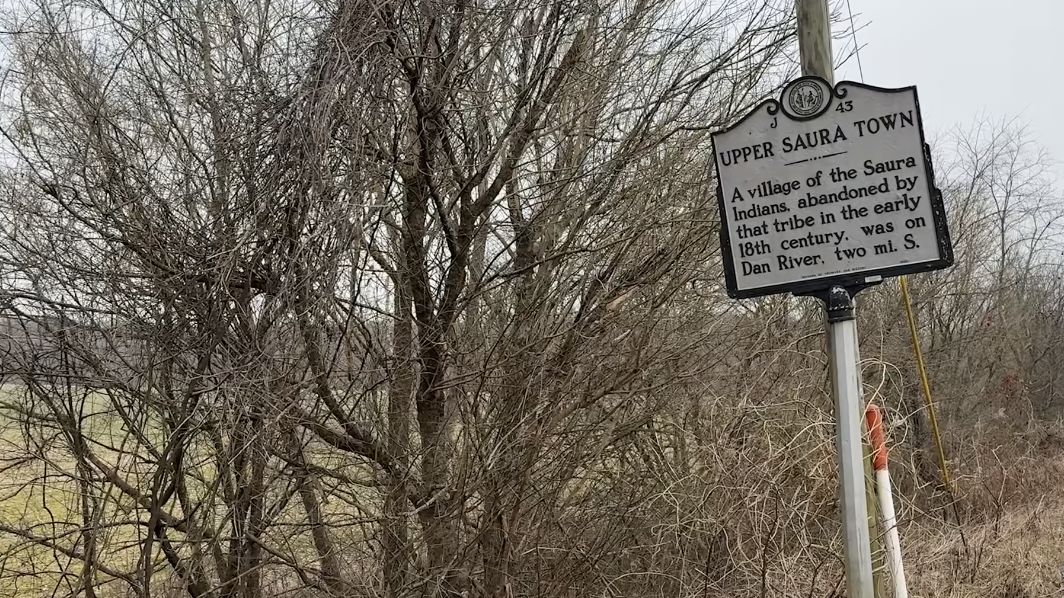
Marker for Sauratown
7 Directions of Service warns proposed historic-preservation changes could weaken protections for Indigenous ancestral lands and sacred sites.
Federal recognition does not determine whether our ancestors lived on these lands or whether a village, burial ground or landscape is sacred to us.”
MEBANE, NC, UNITED STATES, July 20, 2026 /EINPresswire.com/ -- 7 Directions of Service is raising concerns that proposed changes to federal historic-preservation regulations could disproportionately affect state-recognized and non-federally recognized Indigenous tribes, limiting opportunities to advocate for the protection of ancestral villages, burial grounds, archaeological resources, sacred places, and cultural landscapes. Section 106 of the National Historic Preservation Act requires federal agencies to consider the effects of federally funded, permitted, licensed, or approved projects on historic properties. — Dr. Crystal Cavalier
Federally recognized Tribal Nations have specific consultation rights under the process. State-recognized and non-federally recognized tribes, however, do not generally have the same government-to-government consultation status and may instead seek participation as additional consulting parties. "Federal recognition does not determine whether our ancestors lived on these lands. It does not determine whether our people are buried here or whether a river, village, burial ground or landscape is sacred to us," said Dr. Crystal Cavalier-Keck, Executive Director of 7 Directions of Service. "Indigenous communities without federal recognition already face additional barriers to having our voices heard. Weakening Section 106 could make that inequity even worse."
Through the Section 106 process, state-recognized tribes may provide important historical and cultural knowledge about ancestral villages, burial grounds and archaeological sites; raise concerns about inadequate surveys; identify areas requiring further investigation; and advocate for the avoidance of culturally sensitive places. Those opportunities, however, depend on Indigenous communities knowing about projects and having a meaningful opportunity to participate before decisions are made. "If you weaken public participation, the communities most likely to be left out are those that already have to fight for a seat at the table," Cavalier-Keck said.
"There is a real danger that state-recognized tribes and Indigenous descendant communities will not learn about projects threatening their ancestral places until decisions have already been made—or until the bulldozers arrive." 7 Directions of Service is also concerned that proposed changes could narrow what qualifies as a protected historic property, potentially affecting the consideration of natural features and broader Indigenous cultural landscapes. For Indigenous peoples, history is not limited to buildings or archaeological boundaries. Rivers, mountains, forests and entire watersheds can hold cultural, historical and spiritual significance. "Our ancestors did not live according to today's state lines, county boundaries or federal recognition categories," said Jason Keck. "Our villages, trade routes, hunting grounds, ceremonial places and burial grounds remain part of these lands whether the federal government recognizes their descendants today or not."
7 Directions of Service is calling on the Advisory Council on Historic Preservation and federal agencies to meaningfully engage federally recognized Tribal Nations, state-recognized tribes, non-federally recognized Indigenous communities and Indigenous descendant communities before making changes that could affect the protection of ancestral and sacred places. The organization also calls for federal historic-preservation policies to strengthen opportunities for Indigenous communities to participate in decisions affecting places to which they have documented historical and cultural connections.
"The absence of federal recognition does not erase Indigenous history, and changing a federal regulation does not erase Indigenous connections to the land," Cavalier-Keck said. The proposed changes come as Indigenous ancestral homelands across North Carolina, Virginia and the Southeast face increasing development pressures from data centers, natural gas pipelines, electric transmission infrastructure, highways and other large-scale industrial projects.
Many of these projects can require federal permits, licenses, funding or approvals that may trigger review under Section 106. For state-recognized tribes, participation in that process may provide one of the few opportunities to formally identify ancestral places and raise concerns before federally connected projects move forward.
7 Directions of Service warns that weakening the process could have irreversible consequences.
Many Indigenous burial grounds remain undocumented.
Many ancestral villages have never been comprehensively surveyed.
Many culturally significant places are located on private property.
And generations of displacement, forced removal, racial reclassification and assimilation policies have separated Indigenous communities from lands their ancestors occupied for thousands of years.
These histories make meaningful Indigenous participation in historic-preservation decisions essential.
About 7 Directions of Service
7 Directions of Service is an Indigenous-led environmental justice organization working to protect land, water, sacred places and future generations across Indigenous ancestral homelands in North Carolina and the Southeast. Its work includes sacred-site protection, environmental justice, Rights of Nature, opposition to harmful fossil fuel and industrial development, Indigenous youth engagement, and advocacy for culturally significant lands and waters.
Tia Hunt
7 Directions of Service
+1 910-722-9459
email us here
Legal Disclaimer:
EIN Presswire provides this news content "as is" without warranty of any kind. We do not accept any responsibility or liability for the accuracy, content, images, videos, licenses, completeness, legality, or reliability of the information contained in this article. If you have any complaints or copyright issues related to this article, kindly contact the author above.
