

Moisture Around HVAC Equipment Can Develop From Several Common System Conditions
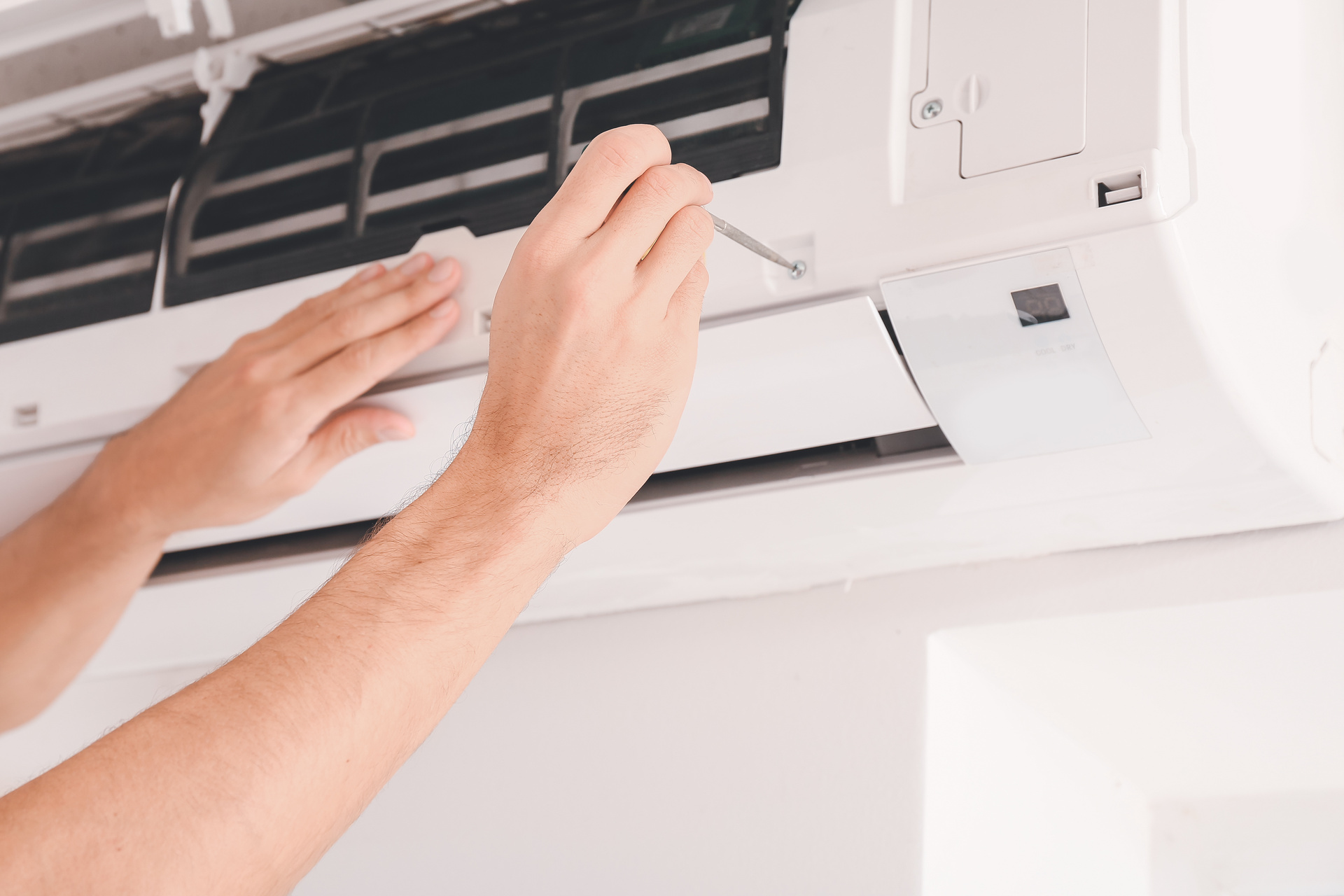

Air conditioning systems naturally produce condensation, especially during periods of high humidity”
SLIDELL, LA, UNITED STATES, September 4, 2026 /EINPresswire.com/ -- — Jennifer Lingo
Heating, ventilation and air conditioning equipment regularly interacts with moisture as part of the cooling process. Condensation forms as warm, humid air passes across cold components, and properly functioning HVAC systems are designed to collect and remove that water. When drainage, airflow, insulation or equipment conditions change, however, moisture can begin accumulating in areas where it normally would not be present.
In humid regions such as Louisiana and Mississippi, moisture management can become particularly important because air conditioning systems frequently operate for extended periods while removing humidity from indoor air.
Water found around an indoor HVAC unit does not necessarily indicate the same problem in every situation. Clogged condensate drains, damaged drain pans, frozen evaporator coils, insulation problems and other conditions can all contribute to moisture around HVAC equipment.
“Air conditioning systems naturally produce condensation, especially during periods of high humidity,” said Jennifer Lingo with LOUMIS Air, that services Louisiana and Mississippi. “The important distinction is whether that moisture is being collected and drained as intended or escaping into areas surrounding the equipment.”
Air Conditioning Naturally Produces Condensation
An air conditioning system does more than lower indoor temperature. The cooling process also removes moisture from indoor air.
Warm air passes across the evaporator coil, which operates at a temperature lower than the surrounding air. Water vapor can then condense on the cold coil in much the same way droplets form on the outside of a cold glass.
That condensation normally falls into a drain pan before traveling through a condensate drain line.
During humid weather, the amount of water generated can be considerable.
Moisture around HVAC equipment may therefore begin when something interferes with this normal collection and drainage process.
Condensate Drain Lines Can Become Restricted
A condensate drain line provides a path for collected water to leave the HVAC system.
Over time, algae, biological material, sediment or other debris can accumulate inside the line. A partial restriction may slow drainage, while a more substantial blockage can cause water to back up.
Once water can no longer drain at the rate condensation is being produced, the drain pan may overflow.
“Drainage problems can become more noticeable during periods of heavy system operation because more condensation may be produced,” Lingo said. “A drain that handles a smaller amount of water may begin showing problems when cooling demand and humidity increase.”
The location of the equipment can influence where that water becomes visible. Systems installed in attics, closets and other enclosed spaces may allow moisture to affect surrounding building materials before water is noticed elsewhere.
Drain Pans Can Develop Problems
The condensate drain pan is another component involved in moisture management.
Depending on system design, a pan collects water beneath the evaporator coil and directs it toward the drain connection. Age, corrosion, physical damage or improper positioning can affect the pan’s ability to contain water.
Cracks or deteriorated areas may allow condensation to escape before reaching the drain line.
In attic installations, secondary drain pans may provide another level of protection when properly configured. Moisture appearing in a secondary pan can indicate that the primary drainage system requires evaluation.
Frozen Evaporator Coils Can Produce Excess Water
Ice around an evaporator coil can also result in noticeable moisture.
Evaporator coils require appropriate airflow and operating conditions. Restricted airflow, certain refrigerant conditions and other mechanical issues can cause coil temperatures to fall low enough for moisture to freeze.
The resulting ice may continue accumulating while the system operates.
When the system stops or conditions change, that ice begins melting. The amount of water released during thawing may exceed what the normal drainage system can manage at once, resulting in water around the equipment.
“A frozen coil and a clogged drain can both result in visible water, but the underlying causes are different,” Lingo said. “Identifying where the moisture originates is important before determining what needs attention.”
Insulation Can Affect Condensation
HVAC systems contain numerous surfaces that may become colder than the surrounding air.
Refrigerant lines, ductwork and equipment cabinets are commonly insulated to help control heat transfer and condensation.
When insulation becomes damaged, missing or deteriorated, humid air may contact cold surfaces and create condensation.
Water can then drip from refrigerant lines or ductwork even when the condensate drainage system itself is functioning normally.
Ductwork located in hot, humid attics can be particularly susceptible to condensation when insulation or air sealing is compromised.
Airflow Problems Can Contribute to Moisture Conditions
Airflow affects several aspects of HVAC operation.
Dirty filters, blocked return air paths, closed registers and certain equipment problems can restrict the movement of air through a system. In some circumstances, reduced airflow can contribute to evaporator coil freezing.
Moisture symptoms may therefore be connected to conditions that initially appear unrelated to water.
Regular observation of filters, vents and equipment operation can provide useful information when diagnosing moisture around an HVAC system.
Moisture Can Affect Surrounding Materials
Water around HVAC equipment may affect more than the equipment itself.
Drywall, insulation, wood framing, ceilings and flooring can absorb moisture when leaks continue unnoticed. Persistent damp conditions may also create an environment where microbial growth can occur.
Attic systems can present a particular concern because a small amount of water near the equipment may eventually become a ceiling stain in the room below.
Visible staining, damp insulation, recurring water around equipment or unexplained moisture should therefore be investigated to determine the source.
Identifying the Source Comes First
Moisture around HVAC equipment is a symptom rather than a single diagnosis.
The source may involve ordinary condensation that is not draining correctly, a damaged pan, frozen equipment, deteriorated insulation, airflow restrictions or another system condition.
Understanding how the HVAC system normally manages condensation provides context for identifying when that process has changed.
In humid climates across Louisiana and Mississippi, air conditioning equipment may remove substantial amounts of moisture from indoor air throughout the cooling season. Keeping that moisture moving through the intended drainage path remains an important part of normal HVAC operation.
Morgan Thomas
Rhino Digital, LLC
+1 504-875-5036
email us here
Visit us on social media:
Facebook
Legal Disclaimer:
EIN Presswire provides this news content "as is" without warranty of any kind. We do not accept any responsibility or liability for the accuracy, content, images, videos, licenses, completeness, legality, or reliability of the information contained in this article. If you have any complaints or copyright issues related to this article, kindly contact the author above.
