

Unregulated Grease Discharge From San Diego Restaurants Raises Environmental Concern for Waterways and Sewers

San Diego Grease Co. Logo
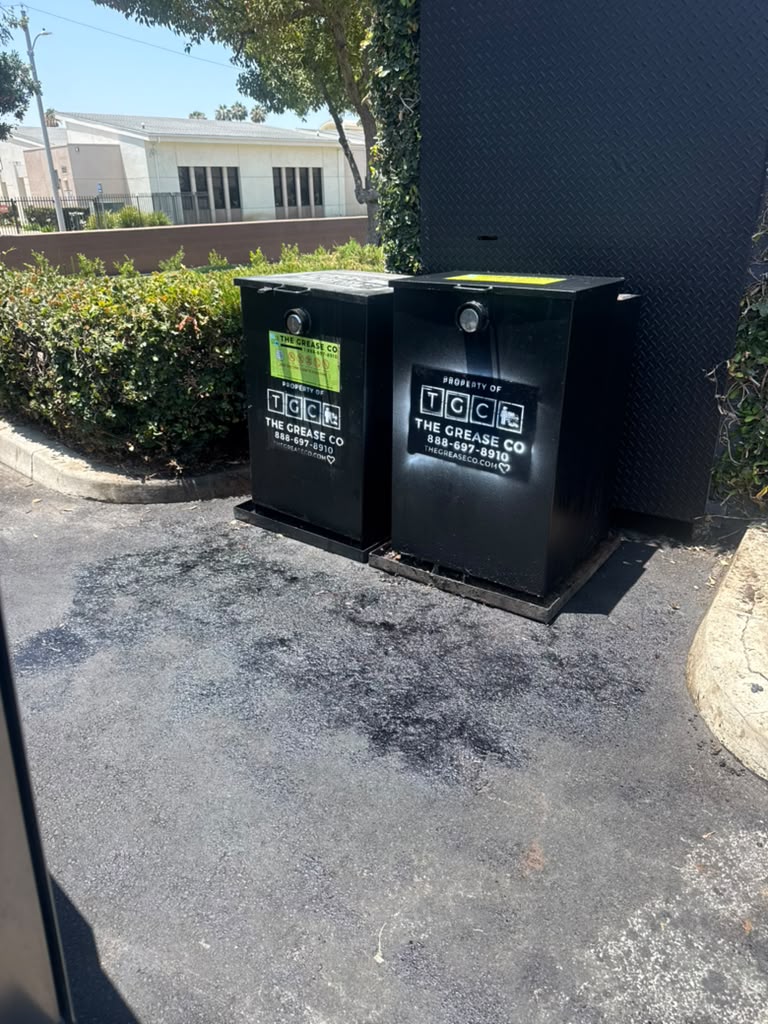
Used cooking oil collection container for commercial food-service operations in San Diego.
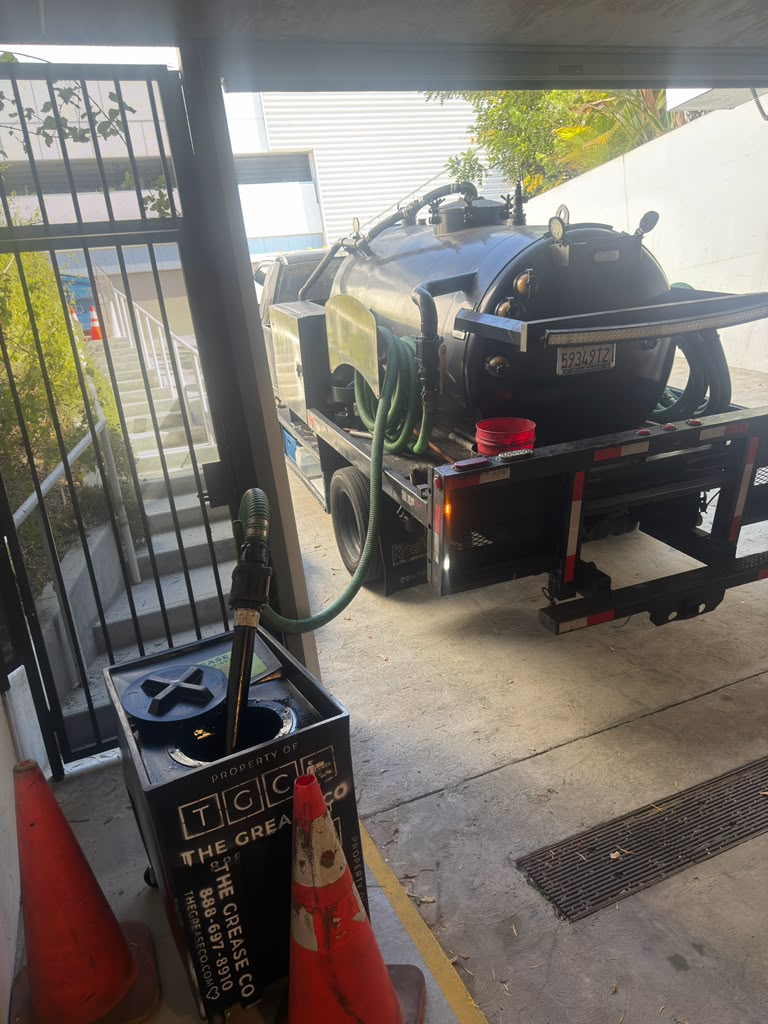
Professional used cooking oil pickup at a commercial kitchen in San Diego.

Bulk collection of expired food-grade oil from a commercial food-service facility.

San Diego Grease Co. vehicle at a local grease recycling facility.
San Diego restaurants face sewer and environmental concerns from FOG, highlighting proper grease handling, collection and disposal before it reaches drains.
Improper FOG disposal can begin with seemingly bad decisions inside a busy commercial kitchen. Used fryer oil may be poured into a sink or floor drain, while grease left on cookware, utensils and equipment can be washed directly into wastewater. During high-volume service, these practices may continue without immediate consequences, allowing grease and food particles to accumulate within plumbing and grease-control equipment. What begins as a convenient shortcut can eventually become a costly operational problem. Persistent buildup can interfere with drainage, create unpleasant odors and increase maintenance demands. In more serious cases, restricted lines or overloaded grease interceptors can cause wastewater backups, forcing restaurants to interrupt food preparation, cleaning or other essential operations. Emergency plumbing services, additional cleanup and unexpected repairs can further increase costs. For San Diego food businesses, the immediate impact of poor FOG handling may therefore be felt inside the kitchen before the material creates problems farther along the wastewater system.
Once FOG leaves a commercial kitchen and enters the wastewater network, the consequences extend beyond the individual restaurant. Grease adheres to the interior of sewer pipes and combines with food particles, sediment and other debris, creating accumulations that restrict wastewater flow. As these deposits grow, sewer capacity decreases and blockages develop, contributing to backups and overflows that affect streets, public areas and nearby waterways. In San Diego, where an extensive wastewater system serves densely populated communities and a large food-service industry, keeping FOG out of sewer lines remains an important infrastructure and environmental concern. When wastewater escapes through blockages or overflows, contaminants and debris move outside the controlled sewer system and place additional pressure on surrounding environments. The issue is particularly significant in a coastal community such San Diego, where wastewater management is closely connected to the protection of local waterways and coastal resources. What begins as grease generated in a restaurant kitchen therefore becomes a broader public infrastructure issue once it enters the sewer network, reinforcing the importance of controlling commercial FOG before it reaches the drain.
Local grease-management professionals are urging San Diego restaurant operators to take a closer look at how fats, oils and grease are handled after leaving fryers and food-preparation areas. The concern is not simply how much FOG a commercial kitchen produces, but whether it is consistently contained before reaching wastewater lines. “Grease problems rarely start with a sewer blockage; they start much earlier, when kitchen grease is allowed to enter drains without proper control or collection,” said a Grease Management Expert at San Diego Grease Co. The warning highlights the importance of establishing clear procedures for used cooking oil, preventing grease from entering sinks and floor drains, and keeping grease-control equipment properly maintained. In busy commercial kitchens, consistent handling practices help ensure that FOG remains within a controlled waste stream rather than becoming part of the wastewater system. Industry professionals also emphasize routine grease trap cleaning as an important part of maintaining grease removal systems and reducing accumulated material before it creates operational problems.
The most effective FOG control begins with what happens to grease immediately after it is produced. Once fryer oil is no longer suitable for cooking, it should be transferred directly into a designated collection container instead of being left in cooking equipment or discarded with wastewater. Grease remaining on pans, grills, trays and utensils should be removed before washing, while food scraps and solids should be kept out of sinks and floor drains. This approach changes the way a kitchen handles cleanup: grease is captured while it is still concentrated, rather than diluted into wastewater where it becomes harder to control. Restaurant managers can make this process part of the normal closing and cleaning routine by assigning clear disposal points and ensuring employees know exactly where different types of kitchen waste belong. The same principle applies beyond the cooking line. Collection containers need to be positioned where employees can use them without taking shortcuts, and kitchen staff should know when containers require pickup rather than allowing accumulated oil to become an afterthought. Grease-control equipment also requires attention as part of routine kitchen operations, with inspections helping identify conditions that need correction before they affect the restaurant's wastewater system. A consistent collection schedule keeps used oil moving out of the facility instead of allowing it to accumulate around the kitchen. For restaurants operating across San Diego, these steps turn FOG management from a cleanup issue into a source-control practice.
Manager
San Diego Grease Co.
webmaster@thegreasecompany.com
Visit us on social media:
Instagram
Facebook
YouTube
Legal Disclaimer:
EIN Presswire provides this news content "as is" without warranty of any kind. We do not accept any responsibility or liability for the accuracy, content, images, videos, licenses, completeness, legality, or reliability of the information contained in this article. If you have any complaints or copyright issues related to this article, kindly contact the author above.
